Kilimanjaro Lemosho Route — 7 Days
Overview
The scenic Lemosho Route in 7 days — combining the wild western approach through pristine forest with the dramatic Southern Circuit. An excellent balance of acclimatisation, scenery, and value.
Trip Highlights
Day-by-Day Itinerary
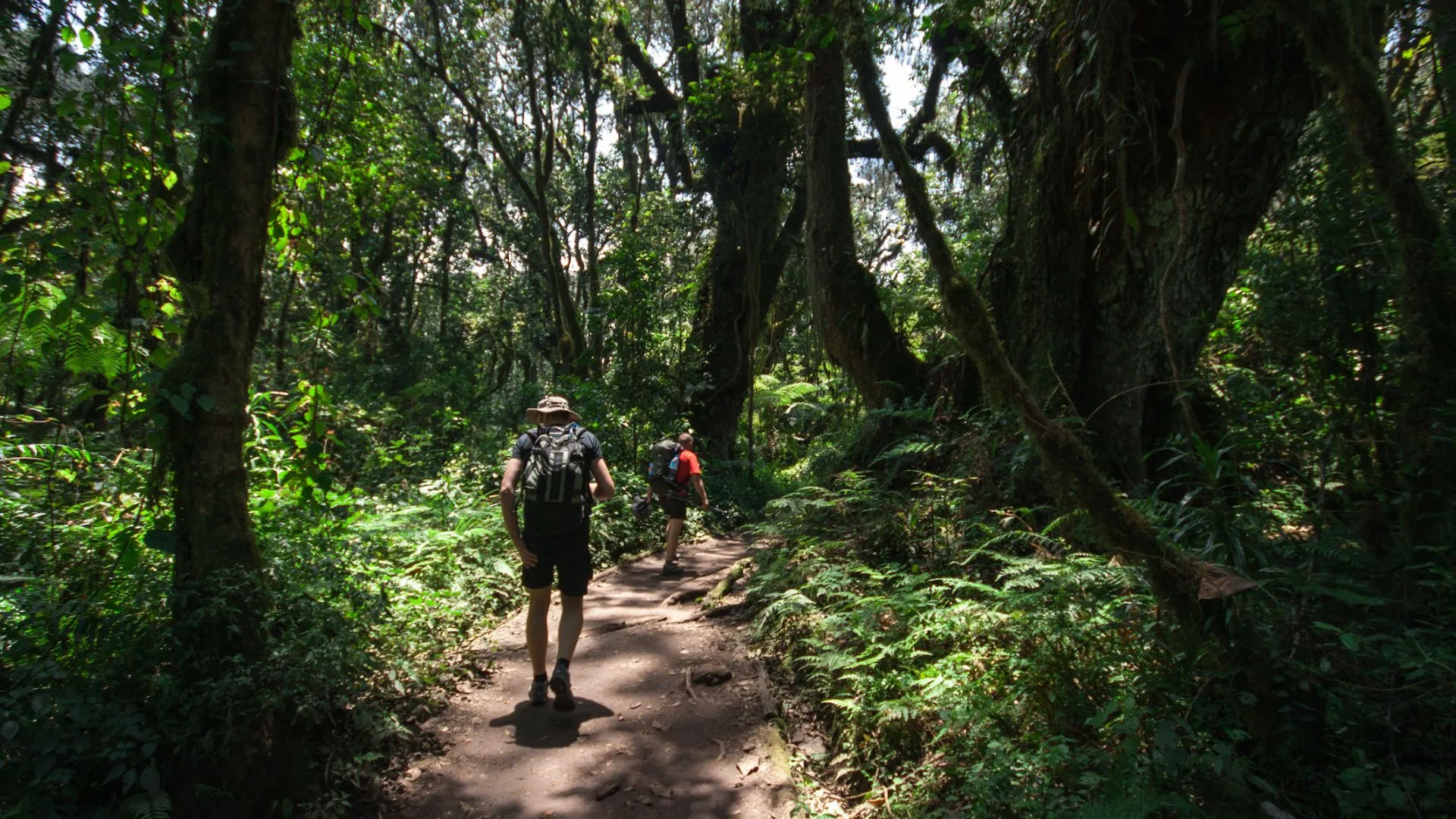
Your Kilimanjaro adventure begins on the remote western side of the mountain, an area far quieter than the popular Machame and Marangu routes. After completing registration at Londorossi Gate, a short drive brings you to the Lemosho trailhead. The first hike passes through Kilimanjaro's lush montane rainforest. Towering trees draped with moss create a jungle-like atmosphere, while colorful birds and black-and-white colobus monkeys are frequently spotted in the canopy above. Unlike many trekking destinations where the scenery changes slowly, the Lemosho Route immediately immerses you in a completely different world. The cool forest air, sounds of wildlife, and untouched wilderness make the first day feel more like a safari walk than a mountain climb.
Today marks one of the most dramatic landscape transformations on Kilimanjaro. Within a single day, you leave the dense rainforest behind and enter the vast open moorlands of the Shira Plateau. The morning begins beneath a canopy of ancient trees where black-and-white colobus monkeys are often spotted. As you gain altitude, the forest gradually gives way to giant heathers and volcanic shrubs, revealing increasingly expansive views across western Kilimanjaro. Unlike the 8-day Lemosho Route, which spends a night at Shira 1 Camp, the 7-day itinerary continues across the plateau to Shira 2 Camp. This longer trekking day rewards climbers with some of the most spectacular scenery on the mountain. The Shira Plateau, formed by an ancient volcanic eruption, stretches across the western side of Kilimanjaro and offers uninterrupted views of Kibo Peak, Mount Meru, and the surrounding African plains. Because of the significant altitude gain, guides encourage a slow and steady pace while emphasizing hydration and proper acclimatization. Upon arrival at Shira 2 Camp, many climbers witness their first truly close view of Kilimanjaro's summit cone rising above the clouds. As the sun sets over the plateau, temperatures begin to drop and the stars emerge in extraordinary clarity, providing one of the most memorable evenings of the entire climb.
This is often considered the most important acclimatization day on the entire route. The trail climbs steadily toward Lava Tower, a towering volcanic formation rising from the alpine desert. At over 4,600 meters, many trekkers experience the effects of altitude for the first time, including mild headaches or shortness of breath. After reaching the highest point of the day, the route descends to Barranco Camp. This "climb high, sleep low" strategy helps the body adapt more effectively and significantly improves summit success rates. Barranco Camp sits beneath the impressive Barranco Wall, one of Kilimanjaro's most famous landmarks. As the sun sets behind the wall, many climbers describe this campsite as the most beautiful on the mountain.
The day begins with the exciting ascent of the Barranco Wall. Although often described as a "wall," it is more of a steep scramble than a technical climb. The reward comes quickly. Within an hour, trekkers are treated to spectacular views of glaciers, valleys, and the summit cone. After crossing a series of ridges and valleys, the trail reaches Karanga Camp. Because the hiking distance is relatively short, climbers have time to rest, hydrate, and prepare for the summit push. This shorter day plays a vital role in conserving energy and supporting acclimatization before moving higher.
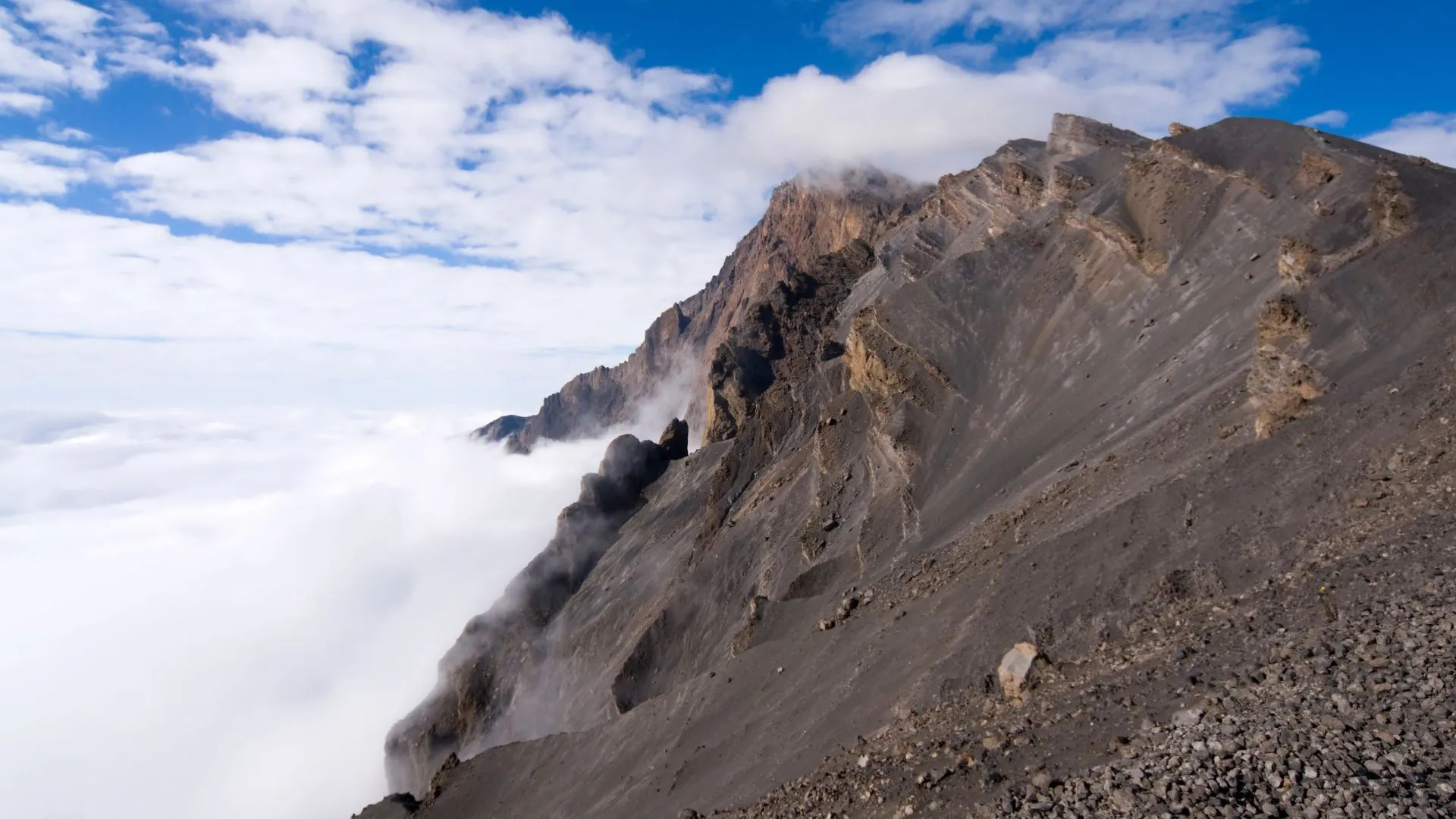
The landscape becomes increasingly barren as the route approaches Barafu Camp. Vegetation almost completely disappears, leaving a dramatic world of rock, ice, and volcanic terrain. Barafu means "ice" in Swahili, an appropriate name for the camp that serves as the final staging point before the summit attempt. After an early dinner, climbers rest for a few hours before waking around midnight. Guides review summit procedures, equipment checks, and cold-weather preparation. The anticipation at Barafu Camp is unlike any other point on the trek. Every climber knows that summit night is only hours away.
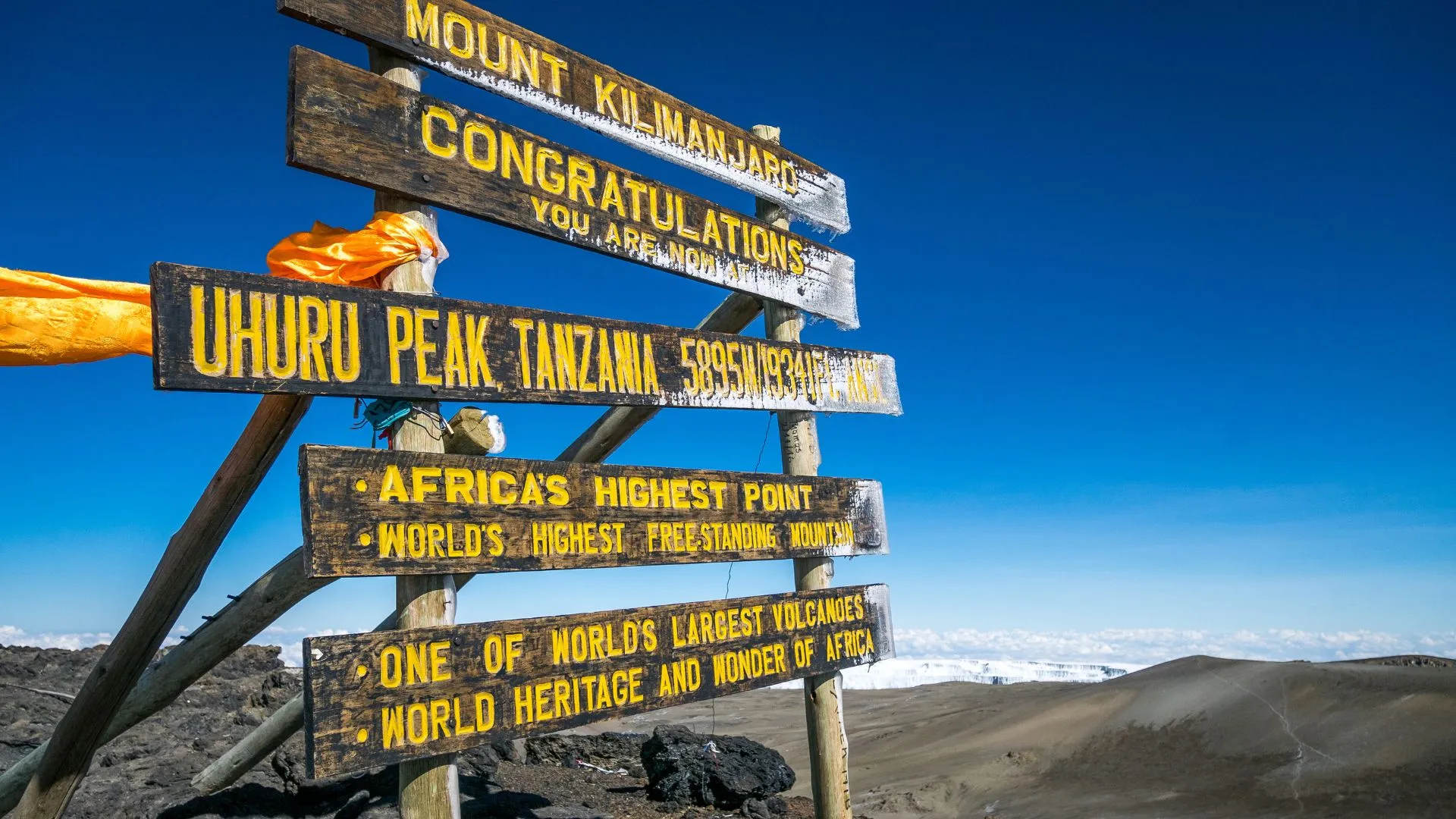
Summit day begins shortly after midnight when the mountain is at its quietest and the sky is filled with stars. Equipped with headlamps, climbers leave Barafu Camp and begin the slow ascent toward the roof of Africa. The trail winds across steep volcanic scree slopes where patience, determination, and a steady pace become more important than speed. After several hours of climbing, the route reaches Stella Point (5,756m) on the crater rim. Here, the first light of dawn often illuminates the glaciers and surrounding landscapes, creating one of the most memorable moments of the entire expedition. From Stella Point, the trail continues gradually along the crater rim toward Uhuru Peak, the highest point in Africa. Standing at Uhuru Peak is about more than reaching a geographical destination. For many climbers, it represents months of preparation, personal determination, and the achievement of a lifelong dream. After celebrating at the summit and taking photographs, the descent begins back to Barafu Camp for a short rest and meal before continuing down to Mweka Camp. One of the most remarkable aspects of summit day is the dramatic change in environment. Within a single day, trekkers travel from the icy Arctic Zone near the summit to the greener lower slopes of the mountain.
Your final morning on Kilimanjaro begins with a descent through the mountain's lush rainforest. The trail winds beneath towering trees covered in moss and ferns, offering a completely different atmosphere from the alpine deserts and glaciers encountered earlier in the trek. As you lose altitude, the air becomes warmer and richer in oxygen, making for a comfortable and enjoyable walk. Keep an eye out for blue monkeys, colobus monkeys, and colorful birdlife that inhabit the forest. Upon reaching Mweka Gate, climbers receive their official summit certificates and celebrate the successful completion of one of the world's most iconic trekking adventures. After saying goodbye to the mountain crew, you will be transferred back to your hotel, where a hot shower, comfortable bed, and well-earned celebration await.
Route Map
Map shows approximate camp locations along the route. Elevation data shown in meters and feet.
About This Package
The 7-day Lemosho Route is an excellent compromise between the 8-day premium version and shorter routes. Starting on the remote western side of Kilimanjaro, it passes through pristine forest with wildlife (elephant, buffalo, colobus monkey) before joining the spectacular Southern Circuit. The 7-day profile provides a more compressed but still very effective acclimatisation schedule compared to the 8-day version. Best suited for climbers who have some previous high-altitude trekking experience and want the finest route on Kilimanjaro at a slightly lower cost.
What's Included
- Airport/hotel transfers
- All park and conservation fees
- Professional certified lead guide
- Assistant guides (1 per 2 climbers)
- Porters for group and personal luggage (up to 15 kg)
- All meals during the trek
- Drinking water throughout
- Camping equipment (tents, sleeping mats, dining tent)
- Emergency oxygen cylinder and pulse oximeter
- Rescue evacuation insurance
- First-aid kit and emergency medication
- Pre-climb briefing and gear check
- Summit certificate
- Hotel accommodation (1 night pre + 1 night post)
Not Included
- International flights
- Tanzania visa fees
- Personal travel insurance
- Personal hiking gear and sleeping bag (rentals available)
- Tips for guides and porters
- Alcoholic beverages
- Personal snacks and energy bars
- Extra hotel nights
$2,595
per personFree cancellation up to 90 days before departure
Quick Facts
Ready to Book This Adventure?
Contact us now and start planning your Kilimanjaro Lemosho Route — 7 Days expedition.